Tuesday, August 10, 2010

The Other Guys Mini-Review

Overall Grade: C+

There's a certain point about halfway into The Other Guys when I just stopped caring because it honestly felt like the writers did as well. It's a shame because the first half of the film works pretty well and the jokes are more hit than miss. The problem is, the film just continues to play off the same jokes to diminishing returns.

Why it works in the outset I don't know, but once one realizes that half the jokes revolve around the irony of particular people saying something outlandish, like Michael Keaton making TLC (the band not the channel) references, grandma's talking sexual maneuvers, or Ferrell's quiet mild mannered character going crazy from his pimp past. If this was the first time this kind of humor was on screen then it might sustain itself for an hour and a half, but after a decade of this humor, the irony gets old pretty quickly.

While the film tries to be topical and include 'wall street' villains, it's a shame the film tries to be serious about these villains by the end. In fact, we are treated to a terribly out of context attempt at a lesson in 'wall street' chicanery over the end credits. I don't know why films that thrive on 'stupid' humor with 'stupid' plots, over-simplified villains and cardboard motivations believe they have any type of context from which to tell any lessons. What it confirms to me is that these type of comedies, as long as it thrives on 'stupidity' for its humor are inherently limited.

It's a shame because I'm always looking for one of these comedies to break out and become well-rounded, but perhaps it's a fools errand. Has there ever been a well-rounded stupid comedy that doesn't get long in the tooth? Dumb & Dumber? Anyways, point being, its a hit and miss comedy that starts out strong and wears thin pretty quickly. If thats sufficient enough, you'll have a great time. If not, then prepare for another mixed pleasure.

Sunday, August 8, 2010

Jackie Chan's Top 100 Action Scenes: 20-11


20-11

20. Amazonian Woman Brawl
Armor of God (1987)
Category: Fight - Multiple People


This is a very memorable fight that could have been even higher if it didn't feel so overly produced. It's surprising because this stems from the mid to late 80's, which normally produced more of Jackie's free-flowing and lengthy fights. That aside, it's fun to watch the contrast in this fight, and Jackie exploits the differences for all they are worth. While many of the women were probably stunt doubled, it's perhaps one of the most brutal fights with a woman that Jackie has ever produced. All in all, a great fight, but perhaps a little too gimmicky and produced to make the top ten.


19. Chased Through Kuala Lumpur
Police Story 3: Supercop (1992)
Category: Chase


Initially somewhere in the top 50, but after a re-watch it's hard not to be blown away from the epic nature of this chase sequence. It's epic, its gutsy, and it's technically proficient. I appreciate that Chan doesn't just let this scene become one thing, but goes from a great car chase, to an incredible helicopter ride and finishes it out with another jaw dropping set piece on top of a train. The intensity just doesn't stop.


18. The Wind Tunnel Fight
Operation Condor (1991)
Category: Fight - Multiple People


This fight allegedly took weeks to film and it's not hard to see why. While films like The Matrix or Inception have certainly tried to push boundaries with fights in a science fiction perspective, Chan pushes the boundaries of physicality. Incredible playful, creative, and physical, I can think of no real equals to this fight. Some downgrade it because it's not really a pure fight, but that really misses the point of this sequence. For Chan, it's how he is able to utilize a foreign environment and adapt a fight within it. By that standard, this fight is a success.


17. Axe Gang Attack
The Legend of the Drunken Master (1994)
Category: Weapon Fight - Multiple People


Again, how wonderful is it to see legends like Chan and Lau Kar-Lueng team up? Pop them both into one of the most well worn Kung Fu sequences (trashing a restaurant), and you get one of Jackie's best. Notice here the variety of camera work and perspective we get. This fight is at one time big and at other times tight and up close, but the camera captures both feelings perfectly. My favorite moments include Lau knocking people down a whole story and Chan going full on crazy with the bamboo as a weapon.


16. Singing in the Rain Marketplace Fight
Shanghai Knights (2003)
Category: Prop Fight


This is hands down the best sequence to come out of Chan's American efforts. Its the epitome of the light-hearted prop heavy work that marked his American efforts and it also plays like a greatest hits of Chan prop gags. If you've been following the lists closely and watching each video, you'd notice that many gags are re-used here and wonderfully incorporated to make a whole. What separates the sequence is the wonderfully inspired 'Singing in the Rain' moment. It's hard to pull off self-conscious sequences without coming off arrogant or prideful, but Chan is able to make reference of many of his inspirations (the rest of the film does so as well), while showcasing how he has put his own spin in it. Glad this sequence makes it into my top 20.


15. Rat Glue Factory
The Myth (2005)
Category: Chase


It's a sequence like this that proves Jackie is every bit the physical comedy equivalent of a Buster Keaton and Charlie Chaplin. While not much of a 'fight', this sequence is a joy to watch and like most of his great sequences, milks the premise for all it is worth.


14. Police and Gangster Chase: Running, Fighting, Biking, and Falling off a Clock Tower
Project A (1983)
Category: Chase


Unfortunately, it's broken up into several scenes, but Project A features this mammoth chase sequence that includes some of Chan's most iconic work. Great inventive uses of a bicycle, great back and forth fighting, and one of the most incredible stunts ever put to film (an homage to Harold Lloyd in Safety Last). While, it can feel a little haphazard because it's so broken up, there is a pleasure to just watching these sequences unfold and continue on and on.


13. Fridges, Pinball Machines and Ski's Oh My!
Rumble in the Bronx (1996)
Category: Prop Fight


Three nonstop minutes of fighting that would dominate Chan's mid to late nineties output and probably provide his most consistently pleasing sequences. Would you ever think that fridges could be used as weapons as well as refuges?


12. Playground Fight
Police Story II (1988)
Category: Weapon Fight


If the last sequence was packed, then this one is overstuffed. Without a second to breathe, this might be the most quickly paced fight Jackie has ever put out. It starts out more stunt heavy and settles down into a brutal piece of weapon work. While it doesn't make the top ten because I don't think it's as distinctive a fight as it could be, this is one of those fights where pound for pound, it can compete with anything.


11. Opening Melee: Destroying Towns and Catching Buses
Police Story (1985)
Category: Action and Chase


Just missing out on the top 10, this sequence is the opener from Chan's standard setting Police Story. It's been said that disappointed that Hollywood didn't really understand what Chan wanted to do, he came back to Hong Kong to make a film that would put to celluloid the vision of action he wanted. That this epic scene opens the film shows just how ridiculously gutsy Chan was. Creating and destroying an entire shante town and following it up with some of the most risky parkour and bus stunts on film isn't just risky, it's legendary. This sequence has been remade by Michael Bay in Bad Boys II as well as by the Thai stunt teams in Born to Fight.


Feel free to Comment Below

Behind on the List?
Use the Links Below to Re-Cap

Monday, July 26, 2010

Jackie Chan's Top 100 Action Scenes: 30-21


30-21

30. Handcuffed and Running from Pirates
Project A Part II (1987)
Category: Chase


This premise is pure silent comedy star and the execution is pure Jackie Chan. It's not a long sequence (about three minutes), but this is one of those quirky chase scenes that is distinctly Jackie. Long before parkour became popular, Jackie is not only incorporating it into his action sequences, but mixing it in successfully with comedic gags as well. Incredible athleticism, gags and some solid fight work make this an all-around wonderful sequence.


29. Nazi Gold Mine Fight
Operation Condor (1991)
Category: Fight - Multiple People


As I've stated before, this kind of sequence became Jackie's bread and butter, especially in the 90's. Put Jackie into an interesting environment, fill it with martial arts bad guys wanting to get a hold of him, and watch Jackie use every part of that environment to hide, neutralize and fight his enemies. It's not the best of the bunch, but it's still WAY out ahead of anyone else. Great, excellent work here. My favorite bit is when Chan nearly gets his head sliced by a rising steel structure overtop some electric coils (its at 2:50). It's a close call that Jackie's face sells perfectly.


28. Escalators and Horse Carriages
Mr. Nice Guy (1997)
Category: Chase


I still continue to believe that Mr. Nice Guy is one of the most underrated of Chan's efforts. Here is a sequence that shows the gentle mix that was trying to be accomplished by Chan and director Sammo Hung. Having seen multiple of Hung's 70s and 80s Hong Kong efforts it isn't hard to understand why Chan plays a chef and can still match anyone kung fu for kung fu. That kind of stuff is accepted in Hong Kong film. Unfortunately, it just doesn't fly for most American audiences that desire some Navy Seal like background for our heroes. I like the mixture of stunts, to fight, to gags that this scene is able to pull off. Unfortunately the editing misses some of the lighter moments that begin this sequence. Enjoy.


27. Train Thief Fight in Three Stages
The Legend of Drunken Master (1994)
Category: Fight - Weapons


The first time the two kung fu legends, Jackie Chan and Lau Kar-Lueng met onscreen, and it doesn't disappoint. Classic weapon work here and there is a particular sequence underneath the train where there must be 10-15 moves in a single take. It's fast and intense and shows the skill involved on both sides. It's a shame that we never saw a finale one on one with these two in a film, but at least we'll always have this one. Wish this could've made my top 25.


26. Arresting Choi Wolf in the Restaurant
Project A Part II (1987)
Category: Fight - Multiple People


Not a lot of frills and novelties in this fight, but this is about five minutes of pure fight and stunt work. It's all fast, and it all looks like it hurts. There are more bad spills and falls in this sequence than in most action stars careers.


25. Motorcycle Chase Through the City to the Docks
Operation Condor (1991)
Category: Car Chase


This is the best car chase (it happens to be a motorcycle though) in Chan's career. I don't think he ever accomplished a truly visceral scene, but he really nailed the stunt work and wide shots necessary for a great scene. Two things in particular stick out here; a sequence where he narrowly misses oncoming cars and cycles by swinging on a bar and the final stunt onto a net over the sea.


24. Pachinko Parlor Brawl
Thunderbolt (1995)
Category: Fight - Multiple People


Here's a standout sequence from an otherwise mediocre film. It's a bit more intense than the typical Chan sequence, but I really enjoy how this film continues to raise the stakes as the fight progresses.


23. Cops vs. Sailors in a Bar
Project A (1983)
Category: Fight - Multiple People


I think this sequence here is able to strike a great balance (as the best ones do) between Chan's gags and legit fight and stunt work. Nearly every gag works superbly here and because it's more limited, the stunts are more memorable.


22. Fireworks Factory Finale
Police Story II (1988)
Category: Fight - Multiple People


How does Chan live up to the standards set in the first Police Story? While not quite as good, this is a fine example of nearly everything Chan brings to the table. Much like in Police Story, Chan goes all out here with stunts, this is work that still has yet to find equal. Although Jaa and his team have come close, there are a few beats here that must've certainly inflicted terrible harm on Jackie's team.


21. Mitsubishi Car Factory Fight
Twin Dragons (1992)
Category : Fight - Multiple People - Prop


The film overall is as terrible as Van Damme's twin feature Double Impact. However, unlike Van Damme's film, Twin Dragons has a couple redeemable action scenes. This is the finale sequence where Chan uses just about everything one could find in a car garage. I love Chan literally running up a moving car, on top of the multitude of other great moments in this sequence. Something you'll hear a lot, the movie is sub-par but this sequence is worth the whole thing.

Feel free to Comment Below

Behind on the List?
Use the Links Below to Re-Cap


Inception: A Second Look

**Spoilers Contained

This film has more heart and soul than anyone is giving it credit and I deserve part of the blame for that. The general critical narrative for Inception has been that it's a film that features boundless creativity, a great imagination, and a pulse pounding plot; but sadly lacks the emotion to truly involve your heart along with your mind. Upon a second viewing of the film, I think we've got it all wrong. Inception is a film that beams with humanity and features a simultaneous affront and encouragement to its viewer.

In fairness, I think that Christopher Nolan is partly to blame for such a misinterpretation of his own work. The truth is, there is just too much going on within this film to be fully experienced in just one viewing. I'm not saying that it's too complicated, but perhaps too dense to reward a viewer it's fullness with just a single screening; at least it was for me. While I'm still in awe of the ideas at play and the visuals put on screen, my second viewing was more a revelation of themes and heart. Don't get me wrong, I wasn't fighting back tears, but I was touched by several themes that spoke to me in ways I hadn't thought about in my first viewing. It has helped me to reconsider the film, and I hope that you consider them as well. Let me explain.

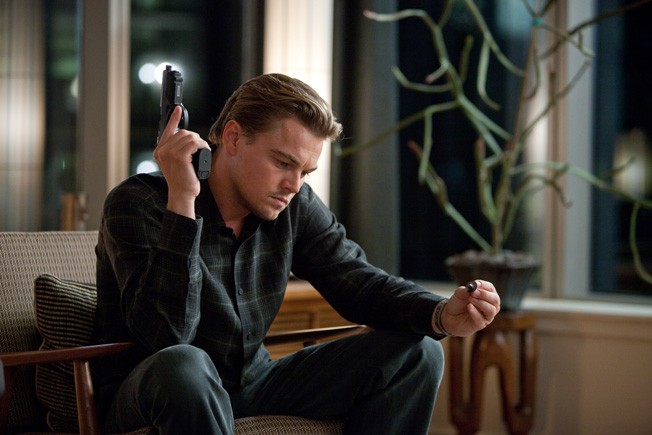
For me, the film's central dramatic struggle was to keep hold of reality. For the most part, this means that our characters want to know if they are in the real world or are in a dreaming state. Although it also stands in for the central idea of inception; are these my real thoughts after all? It provides for great tension in the film, as it's a nagging problem for Cobb (Leonardo DiCaprio) as we see him constantly spinning his top to remind himself of reality.

Interestingly, there are two people in the film who truly do lose sight of what 'reality' is; Cobb's wife Mal and a group of 'shared dreamers' in a Mombasa backroom. In the case of Mal, Cobb informs us that, "...she locked away a secret, deep inside herself, something she once knew to be true... but chose to forget." In this case, she locked away and forgot her totem (the same top that Cobb uses), symbolizing that she has chosen to lose track of reality; accepting the dream world as her new reality. In the Mombasa backroom, we are told that this group of 'shared dreamers' meets everyday for several hours of dreaming (equaling many more hours in the dream world). The overseer then states, "They come to be woken up. The dream is their reality now. Who are you to say otherwise?"

Upon first watch, I felt the Mombasa scene was more or less a throw away sequence intended to show how some have become addicted to the dreaming. In retrospect, it provides a sharp contrast and a strong argument against what would become the major theme of the film. With all that 'shared dreaming' has to offer; the extended lifetime, the creativity, and the experiences; it's not reality and therefore inferior, a shade of our real world.

In Cobb's final confrontation with his wife Mal he must confront the decision of spending a practical eternity with her in their own world ("I miss you more than I can bear, but we had our time together. I have to let you go") and desiring to return to the real world and see his children*. Ultimately, Cobb declares to Mal, "Look at you. You're just a shade, a shade of my real wife. How could I capture all your beauty, your complexity, your perfection, your imperfection, in a dream? Yes, you're the best that I can do. But, I'm sorry, you're just not good enough."

I particularly like this idea that we deserve better than our dreams, we deserve reality. Risk, adventure, loss, tragedy, grief and imperfection are central to the human experience and isn't worth losing even if it means gaining immortality or 'togetherness'. While enlightening, it's not exactly a groundbreaking insight into life and one could possible even argue (as Mal and the Mombasa shared dreamers do) that Cobb is wrong and reality isn't all its cracked up to be. This is where I think the film really shines in that Cobb comes to this insight and conclusion honestly and naturally. It is faith that is required in order to understand Cobb's arrival to truth. This is where Nolan's humanity shines through and the cold precision is put to bed.

When Saito offers Cobb the possibility of clearing his name in return for inception, Cobb asks what assurances Saito could give. The reply is "none" that he would have to take him on good faith. Saito offers, "Dare you take a leap of faith? Or become an old man, filled with regret, waiting to die alone." Cobb decides to take the job, hoping the reality of seeing his children again would be better than becoming old and filled with regret. Similarly, when Cobb and Saito (now an old man) both meet again in limbo, a remarkable exchange takes place,

Saito: You remind me of someone... a man I met in a half-remembered dream. He was possessed of some radical notions.

Cobb: I came here to tell you... something.
[pause]
Cobb: Something that... you once knew to be true.
Saito: [remembering] Impossible...

Cobb and Saito have a vague remembrance that their current world is not reality, that reality was awaiting them, but they would both be required to die for it. There are clues, evidence (the spinning top, vague remembrances) and doubts about what is real and not (and ultimately the film still leaves room for doubt), but it will require faith in order for them to meet reality. It's not a math problem or a scientific experiment, but a journey.

While I think this is a correct interpretation of Inception's central theme, it has reverberated with me so strongly because of its ability to speak to my religious beliefs. As a Christian I believe that there are clues and evidence within our world that points to a creator God and an entire spiritual realm of reality. However, there are still doubts (Man is there doubts!) This isn't a math problem or science experiment, but a journey; one that requires faith. Incredibly, like Cobb and Saito who must give up their world of limbo, (where they have full power and control) and literally die; Christ says that we must also give up our world of power and control and die to ourselves in order find the real truth of our world. I find this incredibly enriching.

Am I saying that Inception is a Christian film? Certainly not. Both seek to speak to the truths of our existence, and in that way they are indeed similar. The film's acknowledgment that there are not only clues to ultimate reality, but also doubt about our reality, makes it surprisingly relatable (especially in our postmodern context). Even more so, the films embracement of the necessity of faith in order to experience the realities of life, makes it thoroughly human. In that sense, I think it speaks not just to Christians, but to anyone who has experienced life. Appropriately there is room to doubt for those who look for it (does that top keep spinning?), but Cobb's and Inception's embracement of the real and rejection of the dream (making it very Matrix-esque), symbolized by Cobb's journey to his children, is a full on emotion and humanity.

In fact, taken to its conclusion, the film almost insults the viewer. Like the shared dreamers of Mombasa, we viewers connect and share this dream with Nolan, projecting our own subconscious into the film. In our ever increasing media society where we consume films, television shows, and video games for hours a day, are we not like those living their lives away in a dream world? To that, the film's exhortation to reject the dream and embrace the fullness that reality has to offer is both an affront and an encouragement to its viewer. Of course it's the best type of affront, a warning and a clarion call, that reality waits beyond the doors of the theatre. This to me is the humanity of the film, and it comprises the true contribution that Inception has to offer.


*This also rings true with Cobb's notion that positive emotion always seems to trump negative emotion. Ultimately, the positive emotion of reuniting with his real children has trumped the negative emotion of the guilt he feels for conceiving the idea that would lead to Mal's death.